
Have car enthusiasts ever considered the true secret behind perfect rims? Maintaining custom wire wheels requires specific care and strict attention. Removing grime from detailed spokes remains highly important for long-term durability. Leftover brake dust causes severe pitting, and such damage often leads directly to heavy corrosion. Cleaning wire spoke wheels becomes an enjoyable maintenance routine rather than a tedious chore when owners understand the correct washing methods.
The Ultimate Wire Wheels Maintenance and Cleaning Guide!
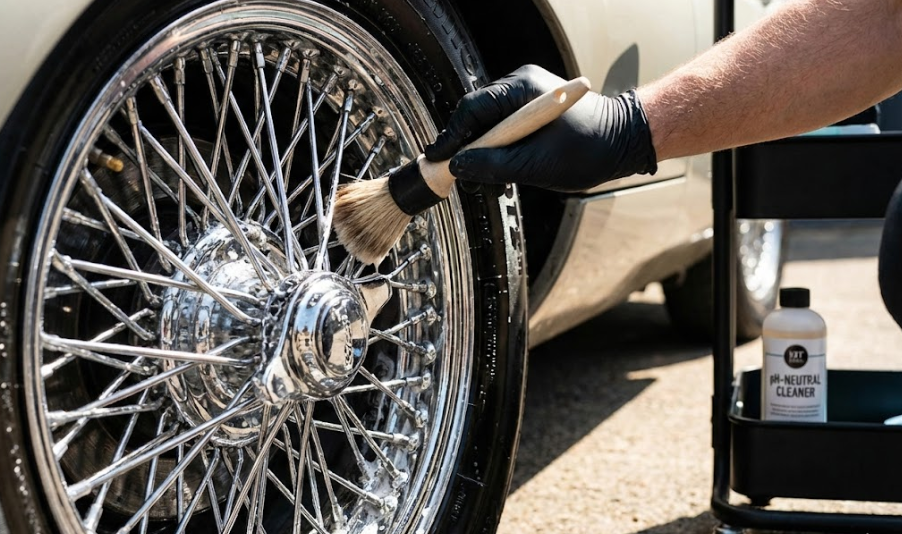
Modern classic cars and custom lowriders frequently feature tension-spoked rims today. Upgrading to stunning Lowrider rims provides an improved road feel alongside magnificent visual appeal. A significant maintenance responsibility naturally accompanies such a beautiful automotive upgrade.
Restoring a vintage British roadster requires combining a gentle washing technique, a pH-neutral product, and complete moisture removal. I remember restoring an old Cadillac last summer, and seeing the brilliant shine return to the metal made every hour of scrubbing completely worthwhile. How often do drivers truly inspect their rims for hidden damage?
High-spoke chrome rims featuring 72 or 100-spoke designs evoke a beautiful classic style, yet careful handling remains absolutely necessary. Modern alternatives rely on structural mass, whereas spoked models utilize basic bicycle engineering principles. Tensioned cables distribute vehicle weight evenly across the entire rim assembly. Brake dust, heavy grime, and dangerous moisture frequently become trapped within these intricate metal marvels. Sourcing exact reproductions has become much easier recently, but owners must consistently clean their investment regardless of current automotive trends.
According to BB Wheels, “Wire wheels are constructed with a series of wires or spokes that connect the wheel rim to the hub, creating a strong yet lightweight structure.”
Average drivers rarely need to overthink the daily maintenance process. Current style trends never alter the core maintenance criteria for any automotive components. Cleaning methods must perfectly match the specific metal finish and daily driving conditions. Style trends constantly change over time, yet proper fitment and structural safety represent enduring automotive truths.
Types and Variants: Recognizing Your Wheel Geometry!
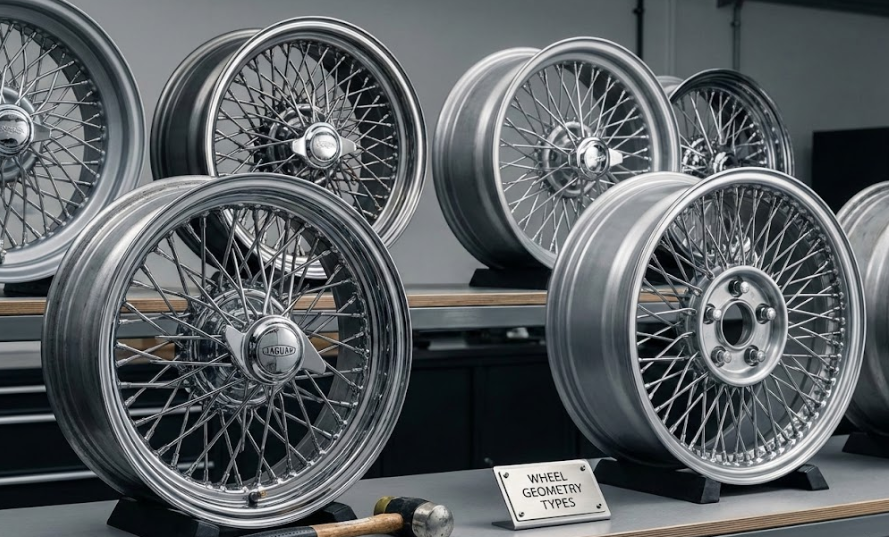
Automotive manufacturers construct different wire wheels with varying engineering specifications, especially regarding routine care and regular maintenance. Identifying the exact variant serves as the essential first step for the entire washing process.
1. Knock-Off vs. Bolt-On Designs
- Knock-Off Designs:Certain models feature a removable central spinner granting direct access to the vehicle hub. Wire wheels knock offs pay wonderful homage to classic vehicles like the Jaguar E-Type. Owners must properly torque these specific spinners using a specialized lead hammer or wrench. Such mechanical setups prove somewhat challenging for typical weekend mechanics. Detailers must remain extremely mindful of spinner threads because trapped water causes serious mechanical issues.
- Bolt-On Designs:Manufacturers designed this particular variant using standard lug nuts for easier installation and increased daily safety. Bolt-on versions strongly resemble traditional rims while featuring delicate spokes instead of solid metal faces. Removing dirt around narrow lug nuts requires a high-quality detailing brush with a very slim profile.
2. Lacing Patterns and Spoke Counts
- Standard Cross Lace:Metal spokes horizontally and vertically intersect to form a traditional cross lace pattern. Finding authentic Dayton wire wheels with this classic aesthetic remains highly desirable for classic car collectors. Unfortunately, such intricate metal intersections are notorious for accumulating large amounts of heavy road dirt.
- Straight Lace:Builders create this sleek design using clean, parallel spokes radiating outward from the center hub. Straight lacing provides a wonderfully tidy and traditional appearance for vintage automobiles. Wiping straight lace models requires significantly less effort than scrubbing complex cross lace designs.
- Radial Lace:Custom spokes head straight outwards like bright sunrays to create a dramatic burst of visual focus.
- 100 Spoke Patterns:Incredibly dense and closely weaved patterns deliver an expensive and deeply luxurious appearance. High spoke counts usually indicate much more expensive custom suspension setups. Builders compress the metal rods tightly together in popular 13×7 wire wheels used heavily for lowriders. Washing such dense configurations demands considerable time and highly specific foam cleaning chemicals.
| Wire Wheels Variant | Fastener Interface | Spoke Geometry | Maintenance Protocol | Application Profile |
| Knock-Off Wire Wheels | Central spinner, splined hub | Hub-centric tensioned rods | Thread moisture extraction | Jaguar E-Type, vintage |
| Bolt-On Wire Wheels | 4-lug/5-lug standard nuts | Lug-centric flange | Slim-profile detailing brush | Daily drivers |
| Cross Lace Wire Wheels | Multi-lug / Spline adapter | X-axis 3-cross/4-cross | Intersection debris extraction | Dayton collectors |
| Straight/Radial Wire Wheels | Direct hub mount | 0-degree parallel / sunray | Low-friction surface wipe | Traditional vintage |
| 100-Spoke Wire Wheels | Center-lock adapter | High-density 100-rod 13×7 | Chemical foam, compressed air | Custom lowriders |
Technical Comparison of Wire Wheels Variants and Geometry!
Key Environmental Aspects and the Flooding Effect!
Information technology professionals describe losing digital data as the frustrating submersion effect. A similar flooding effect frequently occurs with automotive tires and delicate suspension components. Overwhelming amounts of road trash, heavy brake dust, and environmental moisture completely ruin the visual appeal of a beautiful automobile. Finding premium wire wheels for sale demands learning how to protect them properly from these exact hazards.
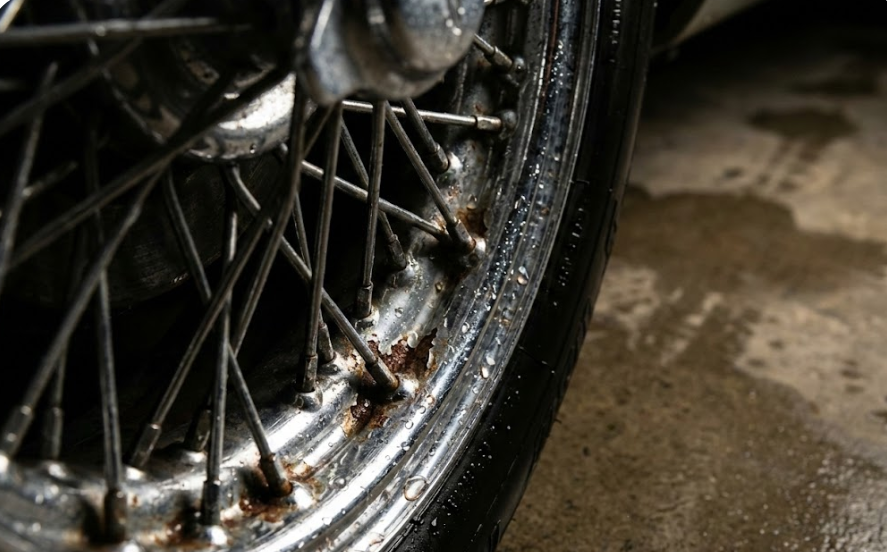
Destructive moisture remains the absolute primary enemy of pristine metal components. High-quality chrome plating offers impressive toughness, meaning the shiny surface rarely rusts under normal conditions. Excellent maintenance of bright chrome effectively protects the vulnerable steel located directly underneath.
Leaving wet rims unattended allows liquid to eventually penetrate the plating and rust the underlying steel. Rusting steel physically pushes the shiny chrome layer completely off the rim surface. Additional water then enters the compromised area, causing the decay cycle to progress very rapidly.
How To Clean Your Rims Step By Step?
Casual readers might find the following maintenance steps somewhat too intensive for daily application. Serious automotive enthusiasts who are truly willing to perform physical work will highly appreciate these detailed instructions. Automotive experts have thoroughly tested this specific washing method to help owners protect their valuable financial investments.
Step 1: Prepare the Surface and Allow Cooling
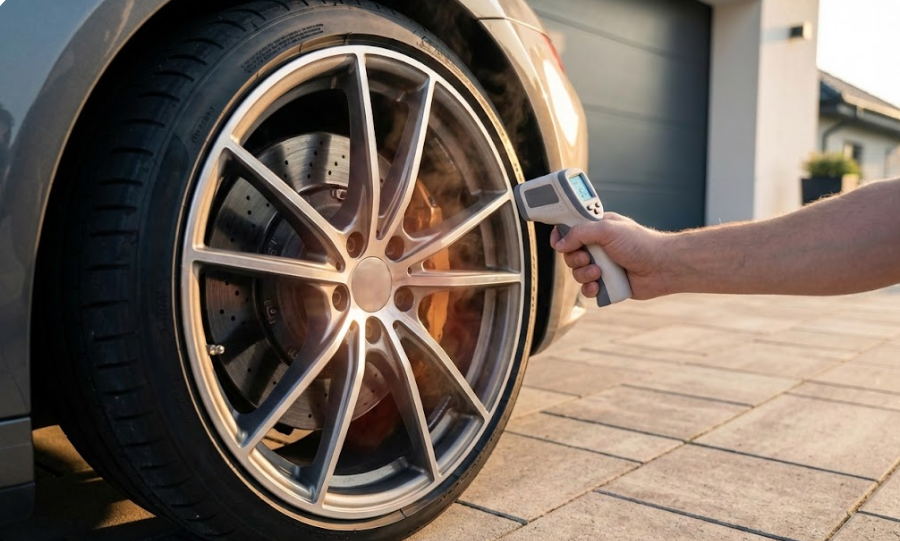
Detailers must never wash hot rims immediately after driving the vehicle. Heavy braking systems generate immense heat during standard daily operation. Spraying hot metal causes the cleaning solution to dry rapidly on the delicate chrome or stainless steel. Rapid drying causes severe spotting and highly destructive permanent etching. Allowing the entire brake system to cool completely remains the most crucial first step before applying water.
Step 2: Selecting Proper Chemical Agents
Professional detailers absolutely advise against using heavy-duty degreasers containing strong acids or caustic ingredients. Applying a gentle automotive soap provides sufficient power to wash the metal components effectively. Regular liquid dish soap serves perfectly well as an affordable and highly effective pH-neutral cleaning solution.
Step 3: The Physical Agitation Process
Spray the prepared light soap generously across the entire metal rim assembly. Ensure the thick foam penetrates deep into the inner barrel and thoroughly coats all wire wheels spoke intersections. Agitating the embedded dirt requires using a soft detailing brush with very gentle bristles.
Establishing a methodical system starting from the air valve stem ensures no hidden areas remain untouched. Owners must carefully inspect every single spoke for dangerous deterioration and rust during this crucial agitation phase. Structural deterioration seriously compromises wheel construction and poses a massive safety risk for fast highway driving.
Step 4: Speeding Up the Rinsing Process
Detailers must take their time rinsing the assembly thoroughly using fresh, clean water. Careful rinsing ensures zero soap residue remains touching any part of the metal structure, including the delicate spoke nipples. Maintaining chrome wire wheels requires keeping the metal components as dry as physically possible.
Standard towel drying fails to remove moisture from the complex wire lacing adequately. Utilizing a strong leaf blower or compressed air hose successfully removes stubborn water trapped within narrow crevices. Air drying proves especially effective around the dense spokes, the outer rim, and the central mounting hub.
Step 5: Seal the Metal and Prevent Rust
Storing a classic vehicle for extended periods requires completely drying the rim and applying protective oils. Coating the metal surfaces lightly with WD-40 remains highly advisable for long-term winter storage. Industrial WD-40 effectively displaces all remaining microscopic moisture hidden inside the deep rim joints.
Daily driven vehicles require a slightly different approach for routine moisture protection. Applying standard Pledge furniture polish serves beautifully as an excellent protective coating after the metal dries completely. Standard furniture polish remains incredibly easy to apply, requires zero heavy buffing, and dries perfectly clear.
Evidence of Quality: Sourcing and Maintenance!
Upgrading a vehicle or replacing damaged rims makes your sourcing strategy incredibly important. Digital search engines utilize verifiable evidence to determine the overall quality of online products. Legitimate manufacturing sources and clean citation paths rest firmly at the core of quality assessment. Buyers must diligently acquire solid evidence of quality before purchasing new custom parts like beautiful Zenith wire wheels.
- Supplier Reputation Verification:Checking for written warranties and reading transparent return policies helps verify overall supplier reputation. Customer photos showing real vehicle installations serve as excellent indicators of authentic business practices.
- Certifications:International quality tests certified by the JWL and VIA guarantee reliable, safe, and long-lasting durability.
- Material Quality:Selecting proper material quality means choosing forged 6061-T6 aluminum or high-grade stainless steel. Aerospace-grade 6061-T6 aluminum naturally resists corrosion, while heavy stainless steel provides superior physical strength.
Safety and Legal Considerations!
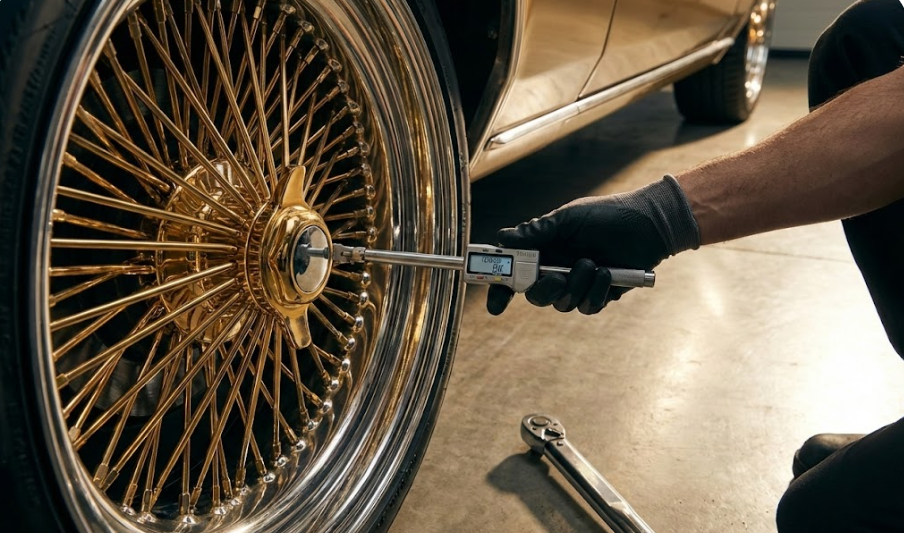
Custom wire wheels demand routine mechanical maintenance far beyond basic cosmetic washing.
- Tension Checks:Responsible mechanics must carefully check and re-tension the individual spokes every 6,000 miles. Truing the assembly achieves even weight distribution across the entire circular structure. Proper tensioning prevents the delicate rim from warping under excessive or uneven highway stress.
- Damage Assessment:Loose or completely broken spokes immediately compromise the structural integrity of the entire component. Drivers must absolutely never operate a vehicle equipped with visibly damaged tension spokes.
- Storage Environment:Parking a restored classic in an active multi-car garage requires specific atmospheric precautions. Covering the expensive Lowrider wheels and rubber tires with thick cotton beach towels prevents chemical damage. Normal vehicle exhaust contains highly corrosive gases that easily destroy unprotected metal surfaces. Thick cotton towels naturally absorb ambient moisture, rendering the dangerous corrosive gases virtually harmless. During my own garage build, throwing thick towels over my Gold wire wheels saved them from accidental exhaust soot damage perfectly. Are collectors taking enough precautions when storing their prized vehicles for the winter?
Conclusion
Continuous maintenance and employing high-quality washing techniques remains vital to keep automotive investments completely safe. Applying proper chemical sealants keeps complex spokes completely free of destructive rust. Stunning Player wire wheels will look absolutely immaculate for many years with appropriate routine care.
Finding high-quality True spoke wire wheels or shiny Texas wire wheels transforms an ordinary vehicle into a rolling masterpiece. Visit RizoForged online today to discover beautiful new rim designs and greatly refine the ultimate driving experience.
Questions and Answers!
Are Wire Wheels Simple To Keep Clean?
Maintaining pristine aesthetics requires extensive cleaning, meticulous drying, and regular mechanical inspections. Ensuring functional safety demands much more frequent attention than standard solid alloy rims require. Intricate metal designs typically demand significantly more physical work than conventional cast aluminum wheels.
What Cleaning Soap Is Best?
Purchasing incredibly expensive specialty soaps remains completely unnecessary for routine automotive maintenance. Mixing a light soap solution cleans the delicate metal in a perfectly safe manner. Standard household products used to wash dishes act as highly effective rim cleaners.
What Is The Best Way To Keep The Spokes Free From Rust?
Keeping everything as dry as humanly possible represents the absolute best rust prevention strategy. Using a compressed air hose or strong leaf blower removes stubborn water trapped deeply within the joints. Finally, applying penetrating WD-40 keeps the vulnerable metal surfaces completely rust-free during long storage periods.
Is Furniture Polish Safe For My Car Rims?
Applying standard furniture polish works exceptionally well for routine maintenance on completely dry rims. Aerosol polish dries perfectly clear and creates a highly effective, quick moisture barrier.
How Often Do I Check Mechanical Tension?
Maintaining proper mechanical integrity remains absolutely vital for safe daily highway operation. Checking the tension on individual spokes prevents dangerous warping and uneven vehicle load distribution. Mechanics recommend performing this critical inspection at least once annually or every 6,000 miles.
 EN
EN  ES
ES  PL
PL  JA
JA  IT
IT