
Are you tired of ruining fenders with bad wheel setups? Finding the ultimate fitment prevents serious handling problems and costly suspension damage. We have corrected countless botched installations over the years. Discover our definitive guide to perfecting your Lexus IS200 stance without compromising safety today.
What is the Ultimate Fitment Sweet Spot?
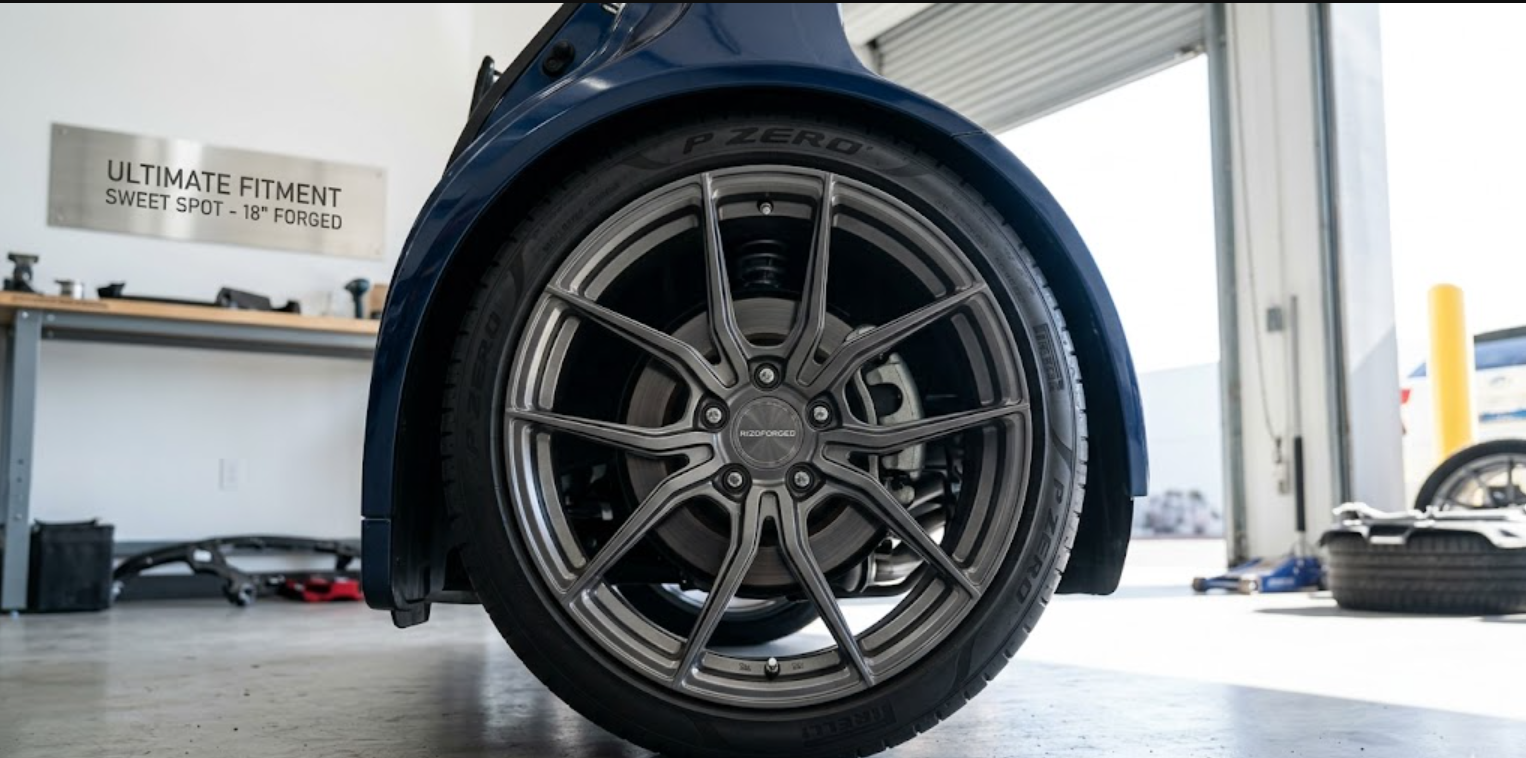
Here is a frustrating reality. The import tuning scene has countless cars riding on completely botched wheel setups. You read through online forums and witness it all. You see everything from tucked-in 17-inch wheels that look completely out of place to hyper-aggressive 19-inch wheels. Those larger setups mean you must cut and hammer the factory metalwork just to turn the steering wheel.
Before we discuss identification techniques and specs, let us talk about why you should care. If a wheel simply bolts on and looks aggressive, what is the difference?
It makes a huge difference. Here is exactly why:
- Handling Safety:The double-wishbone suspension is legendary for its balance. If the wrong offset is thrown at it, the steering feedback and turn-in response are completely ruined. Poor setups fail gracefully under normal conditions but fail catastrophically under load.
- Inner Clearance:Your best guess usually leads to chewed-up tire sidewalls hitting the rear trailing arm. You might also rip out a front fender liner entirely while driving down the highway.
- Drivability and Liability:The 1G-FE is already a sluggish motor. Big, badly sized cast replicas make the car feel like it is towing a massive anchor all the time. Furthermore, if you cause an accident because a cheap replica shattered, your liability exposure increases.
This is the definitive resource for getting your wheel fitting just right. You will avoid the usual dangerous pitfalls and get your car dialed in correctly.
The sweet spot is the precise wheel diameter, width, and offset. It maximizes visual impact and traction without requiring you to cut, pull, or roll sheet metal constantly. It is the exact setup that maintains a correct speedometer, clears the suspension uprights, and keeps the steering geometry happy.
The only indisputable sweet size for this chassis is the 18-inch diameter.
The factory 17-inch alloys leave a cavernous empty space between the tires and the car. This gap makes the car appear unfinished and cheap. Step up to 19 inches, and you enter a dangerous world of rubber-band tires and easily bent wheel lips. You get a harsh ride quality that will rattle your interior trim loose. For true aesthetics and authentic performance, the 18-inch barrel slots in naturally.
Why 18-Inch Wheels Are the Absolute Standard?
Let us discuss why 18s are the only standard you should accept on this platform.
- Arch Fill:The vehicle possesses disproportionately large wheel arches for an early 2000s compact sedan. Proper 18s fill this void correctly. They achieve this without creating cartoony fitment issues on stock bodywork. You get a muscular stance without the constant fear of tire failure.
- Brake Upgrades:This is the dead giveaway of a properly built car. The factory brakes are merely adequate. The popular LS400 four-piston caliper conversion is a massive upgrade. It simply will not fit inside most 17-inch barrels. Upgrading to 18s gives you the critical clearance needed for big brake kits. Many owners prefer installing Rizo 5104F BBS Style 18” Wheels because they guarantee this vital caliper clearance.
- Tire Availability:The 225/40R18 tire size is one of the most popular in the world. Therefore, you will find the absolute best ultra-high-performance tire compounds for an affordable price. A massive contact patch keeps you glued to the road.
The Perfect 18-Inch Dimensions

The facts and figures are telling. Fuzzy information from random sellers can cost you a lot of money. There is no better thing than a precise bolt-on specification that is repeatedly proven on the track and on the highway.
The ultimate staggered setup is 18×8.5 +35 for the front and 18×9.5 +45 for the rear, wrapped tightly in premium 225/40R18 tires.
This specific combination ensures that your speedometer remains incredibly accurate. Your ABS sensors will work without throwing any error codes. It maintains a rolling circumference within 1% of the original stock setup.
| Fitment Type | Wheel Size | Target Offset | Recommended Tire | Fitment Notes |
| Front Precision | 18×8.5 | +35 to +38 | 225/40R18 | Clears factory struts and fender liner at full steering lock. No requirements for metal rolling. |
| Rear Staggered | 18×9.5 | +45 to +48 | 225/40R18 | Tight inner clearance to the trailing arm, but highly effective. The slight 225 tire stretch perfectly clears the outer metal lip. |
| Square Setup | 18×8.0 | +35 | 225/40R18 | Ideal for track or drift applications where frequent tire rotation is demanded. Gives up the aggressive staggered look. |
Front Axle Precision
Up front, the golden standard is the 18×8.5 wheel featuring a +35 offset. When the offset drops below +30, you run into serious trouble. It will start aggressively scuffing the plastic fender liner on every single U-turn.
- Flush Fit:This precise offset makes sure the wheel sits completely flush with the outside of the fender. It still keeps critical clearance with the inside of the suspension upright. It is less precise, less finished, and dangerous to guess these numbers.
Rear Axle Realities
A +45 offset on an 18×9.5 wheel is the absolute widest setup that the factory body will allow.
- Trailing Arm Threat:The fit between the back trailing arm and the chassis is notorious for its extreme snugness. A 9.5-inch wheel will violently hit the suspension if you use a +48 offset or above.
Wheel Fitment Step-By-Step Guide
When changing your rolling gear, you must systematically make a series of proper changes. This is how you execute the wheel upgrade with perfection, without harming your car in the process.
- Calculate the Rolling Diameter
Always know the exact size of your tires. The original stock setup is 215/45R17. Move up to a 225/40R18 tire. This specific change results in virtually the same overall rolling diameter. If you do not use the right tire height, you will negatively alter the final drive ratio. This mistake makes the vehicle much slower when accelerating. Furthermore, your traction control system may trigger incorrectly and cut engine power.
- Check the Inside Clearance
Grab a measuring tape. Measure the exact distance between your hub face and the rear trailing arm. For a 9.5-inch rear wheel, you must use an offset from +40 to +45. Anything higher will push the entire wheel inwards. When the car is fully suspended under load, this leads to disastrous, metal-on-metal contact with the trailing arm.
- Address the Fenders the Right Way
Typically, the factory metal fender lip will clear the tires perfectly when using the suggested 225/40R18 size on the rear 9.5-inch wheels. If you opt for a 245/35R18 tire for maximum straight-line traction, then you absolutely have to roll the rear fenders. Carefully heat the exterior paint with a high-quality heat gun to avoid surface cracking. Fold the inner metal lip completely flat with a professional fender roller against the arch. Avoid using a baseball bat. Prevent the arch from being physically pulled outward. Simply roll the inside lip flat.
- Fit Roll Center Adjusters (RCAs)
When using these 18-inch wheels alongside lowering springs or coilovers that drop the car more than 1.2 inches, front Roll Center Adjusters are strictly required. If the vehicle’s suspension drops too much, the lower control arms lean sharply upward. This geometry flaw eliminates the factory roll center and makes the car drive horribly like a broken shopping cart. RCAs physically separate the lower ball joint. They correct the control arm angle back to the original factory geometry.
Handling and Ride Quality Realities
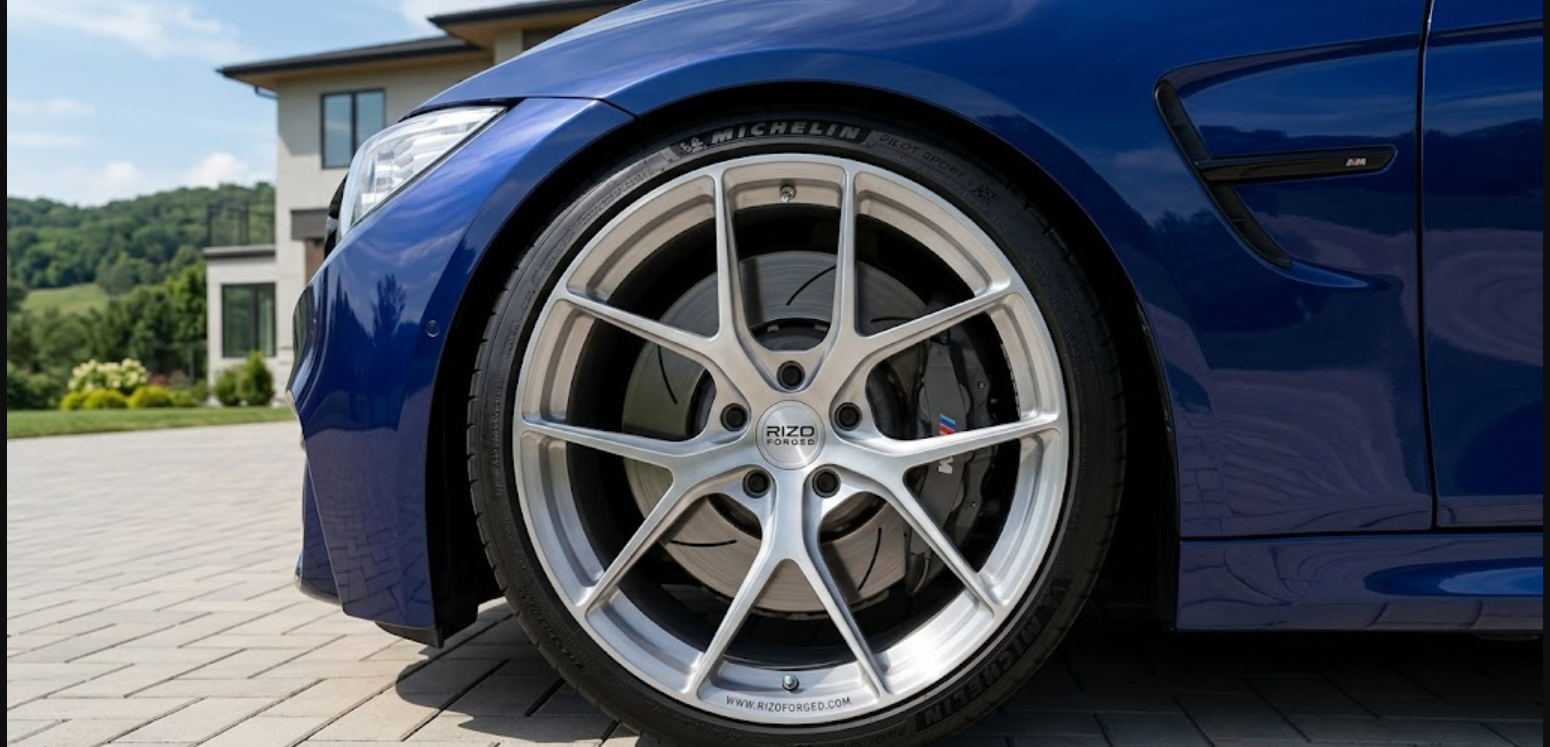
When it comes to upsizing wheels, there is no such thing as a free lunch. If you shrink the tire cushion from a 45-series down to a 40-series, you will feel every single expansion joint and highway reflector. The overall benefits to handling performance are huge, though.
The Weight Penalty
The absolute largest hidden expense of upgrading is the rotational weight. The inline-six engine lacks the low-end torque to cover up a massively heavy wheel. If you add heavy, low-cost cast replica wheels, you add lots of unsprung rotational mass to each corner.
The car will not be lively off the starting line. Your emergency braking distances will become dangerously greater. To minimize this massive penalty, prioritize flow-formed or forged aluminum wheels. If you want a timeless design that hides brake dust while saving weight, Rizo Forged Custom Alloy Wheels Satin Silver remain an incredibly smart choice. They stay as close to the OEM 17-inch wheel weight as humanly possible.
Tramlining Truths
Tramlining occurs when the car wants to rapidly follow ruts, grooves, and road camber in a violent manner. If you transform your car to a 225-section tire paired with a lower offset, your factory scrub radius permanently changes.
The vehicle will physically pull on the steering wheel on heavily worn-out roads. This is a long-term driving compromise. A precisely set laser alignment and a slight touch of toe-in can help reduce this feeling. However, you will have to live with a heavier, highly vocal steering rack.
Signs of a Poor Fitment Job
We reject many bad fitment concepts every single day. Here are the two most obvious amateur mistakes that instantly tell you a setup is deeply flawed:
- Offset Blunders:Stretching tires to the extreme limit with a 9.5-inch wheel all the way around using a +22 offset is a terrible idea. Yes, it comes across as highly aggressive when parked at a local car meet. However, it gives the car miserable, unpredictable handling. The front tires rapidly consume the inside of the plastic fender liners. They also aggressively bang into the metal quarter panels on each highway bump. The scrub radius is completely wiped out. This mistake gives the steering wheel a violent, dangerous kickback over uneven pavement. Many track purists choose Rizo 5103F BBS Style Forged Wheels specifically to avoid these amateur offset blunders.
- Ignoring Inner Clearance:The rear trailing arm remains a silent killer. A 9.5-inch wheel with a +45 offset leaves only 5 to 7 millimeters of inner clearance. This tiny gap depends entirely on the specific tire’s shoulder block design. The friction rubbing will not be audible right away. You will only hear it once the inner barrel of the wheel has literally milled a shiny, deep groove right through your suspension control arm at a +50 offset.
Construction of Wheels and Choice of Tyres
You may calculate the exact right width and offset perfectly. But if you do not get the manufacturing materials right, you have completely wasted your money.
Cast vs. Flow-Formed and Forged
One major thing that will easily destroy the delicate chassis balance is buying cheap, heavy 18-inch cast replicas. They look right online. They might even feel right initially. But under extreme stress—an emergency swerve or a massive pothole at speed—the difference is catastrophic.
Cheap replicas have significantly lower strength, heavier total weight, and are highly susceptible to sudden cracking under severe load.
True forged wheels are engineered to meet specific safety weight targets. They are heavy enough for structural strength but light enough for peak efficiency. Buying genuine Rizo 18-Inch Custom Forged Wheels means the product was actually tested for impact and fatigue.
| Feature | Cheap Cast Replica Wheels | Genuine Custom Forged Wheels |
| Manufacturing Method | Liquid poured directly into static molds, creating heavy, porous metal. | CNC machined under extreme pressure from solid aerospace-grade aluminum blocks. |
| Weight Penalty | Typically weigh 20% to 30% more than OEM manufacturer specs. | Extremely lightweight structure, drastically improving acceleration and braking. |
| Safety Testing | Often skips federal impact and intense fatigue testing completely to save costs. | Passes rigorous radial load, cornering fatigue, and highway impact standards. |
| Impact Resistance | Highly prone to catastrophic shattering over large highway potholes. | Safely bends under extreme stress rather than shattering into dangerous pieces. |
| Resale Value | Plummets immediately upon purchase. You will be lucky to get 20% back. | Holds 60% to 70% of its initial value even after five years of daily driving. |
Tire Compound Matters
Avoid buying incredibly expensive, high-quality wheels only to wrap them in unknown, cheap brand tires. Rock-hard rubber compounds are widely used in cheap budget tires. By using them, you completely undo the entire grip advantage gained from a larger tire contact patch.
Thus, you will ride very jittery and noisily down the road. The car will understeer heavily at the absolute limit. You must get a medium-quality or high-quality performance summer tire to match your premium wheels.
People Also Ask
Is 18 Inches Too Large For This Specific Chassis?
No. The vehicle arches can in theory house a massive 19-inch wheel. However, doing so forces you to run a super low-profile tire that is a terrible idea for daily driving. The 18-inch wheels act as a perfect mechanical fit. They flawlessly fill the visual void while providing enough rubber sidewall for necessary suspension compliance.
Will 18-Inch Rims Be Detrimental To My Suspension Components?
Not directly. But, if you install 18-inch wheels alongside a huge suspension drop without fixing the front roll center with RCAs, you will have problems. Your rubber control arm bushings and lower ball joints will wear out significantly faster. As long as you maintain the proper factory geometry, the chassis will be perfectly fine.
Can I Successfully Fit 18×9.5 Wheels All Around?
Yes, you theoretically can, but it is by no means a simple bolt-on job. The front inner arches are very snug compared to the spacious rear. For widebody applications that need extreme widths, clients often use Rizo 2-Piece Custom Forged Wheels to dial in millimeter-perfect offsets. On a stock body, you will need a +38 offset. You must stretch the tires hard, run heavy negative camber, and be fully prepared to rub the fender liners at full steering lock. For daily street driving, we strongly recommend a traditional staggered approach.
What Tire PSI Should I Run On 225/40R18?
For everyday street driving, you should start at 34 PSI for the front tires and 32 PSI for the rear tires. Check the tread wear on your tires constantly. If the direct center wears out faster, you must reduce the PSI. If the outside shoulders wear down, add more air. For intense track days, set your pressures well below the target PSI when cold. They will naturally increase to the target PSI when the rubber gets hot.
Are Extended Wheel Studs Absolutely Needed For 18-Inch Wheels?
Usually, no. If the new wheel is perfectly hub-centric to the vehicle with a 60.1mm center bore, the original factory studs will suffice. You just need to be absolutely certain you have a minimum of 8 full turns of thread engagement on the lug nuts. However, if you use metal slip-on spacers to correct a bad offset, buying extended studs becomes a mandatory safety requirement.
Conclusion
Upgrading to correct wheel sizes transforms handling and visual appeal simultaneously. Achieving the perfect stance on a Lexus IS200 requires precise offset calculations and quality materials. Stop wasting money on cheap cast replicas that ruin performance. Visit RizoForged online right now to explore premium custom forged wheel options and build your dream setup safely today.
 EN
EN  ES
ES  PL
PL  JA
JA  IT
IT