
Have you ever wanted to completely transform your daily driving experience and upgrade your luxury vehicle starting today? Choosing high-end Audi Q7 wheels represents one of the most important and impactful decisions for modern luxury SUV owners. With proper aftermarket rims installed, steering handling will become much better, and your vehicle will look absolutely great.
Information on Rims for the Audi Q7!

German engineering shines brightly in that particular premium sport utility vehicle model. Consequently, incredible performance capabilities and the highest luxury features exist within the vehicle. Because of significant curb weight and cutting-edge adaptive air suspension systems, replacing factory rims provides more than just visual value. Furthermore, Audi Q7 wheels act as structural components that feel equally important to heavy tractor equipment parts.
Additionally, sturdy wheel components help transfer an incredible amount of torque directly to the road surface, while supporting gross vehicle weight ratings over 6,000 pounds. My personal experience upgrading my own luxury crossover taught me that picking strong wheels changes everything about high-speed highway stability. Do you know how much weight your current factory rims actually support during daily driving?
According to Car and Driver, “the Q7 feels hunkered down and lithe.”
Builders create specific Audi Q7 wheels differently for each separate generation of that heavy chassis platform. For example, engineers built the first generation of that chassis on the exact same platform as the Porsche Cayenne, utilizing a unique 5×130 bolt pattern. Moreover, second-generation models switched to the newer MLB Evo platform, and those modern versions use a more common 5×112 bolt pattern with a 66.5mm center bore.
Knowing various mechanical platforms remains critical when upgrading any modern luxury vehicle in question today. Furthermore, standard factory wheel diameters range from 18 inches to 22 inches across the Premium, Premium Plus, Prestige, and the sportier SQ7 variants. Designers built those factory rims to become the perfect combination of unsprung mass, rolling resistance, harshness mitigation, and aerodynamic efficiency.
Because of sophisticated factory engineering, replacing those rims requires a reasonable degree of knowledge about metallurgy and advanced wheel design. Consequently, buyers must understand proper load ratings to avoid introducing mechanical friction into the Quattro system or creating electronic faults within the drive system.
Types and Variants!


In the case of your luxury SUV, wheel options fall into categories based directly on the specific manufacturing process. Therefore, that building method changes the outside design, wheel strength, overall weight, and final price.
1. OEM Replacement Rims
Factory replacement rims represent the exact original wheels, and builders make them to the same safety rules as original OEM Audi Q7 wheels.
- Material Construction:Factories typically make OEM Audi Q7 wheels out of heavy low-pressure gravity casting materials.
- Engineering Focus:Engineers primarily aim to ensure maximum protection against pothole impacts and major road damage.
- Compatibility:Perfect overhead integration happens flawlessly with factory tire pressure monitoring systems and R14 ball-seat lug bolts.
- Limitations:Designs with certain aesthetic limitations include aftermarket options that weigh significantly less and cost less than standard alternatives. Finding an Audi Q7 spare wheel often involves matching these exact factory specifications perfectly.
2. Aftermarket Cast Alloy Rims
Cast alloy rims represent the absolute lowest price point in the entire aftermarket automotive world. Furthermore, workers create cast options by either pouring molten metal into a mold or forcing liquid metal into a cast under low pressure.
- Manufacturing Process:During a standard gravity cast system, molten metal falls directly into the cast as a single mass. Alternatively, a low-pressure system uses a vacuum to pull the metal into the cast, which creates fewer internal voids.
- Design Freedom:Buyers can find a large number of visual options, such as high gloss finishes, Audi Q7 black wheels, face machined looks, and hyper silver paints.
- Value:Upgrading factory 19-inch rollers to 21-inch or 22 inch Audi Q7 wheels remains the most inexpensive aesthetic modification possible.
- Disadvantages:Compared to premium forged components, cast wheels feel heavier, which results in the need to use more material to achieve the desired load rating of 850kg and above.
3. Forged or Flow Formed Wheels
For ultimate track performance, forged and flow-formed wheel selections represent the absolute best options available today.
- How Flow Forming Works:A flow-formed product starts as a regular cast wheel, but workers then heat the barrel and press the metal with steel rollers. Consequently, that pressure process rearranges the metal grain as if workers had forged the material, reducing the barrel weight by 25 percent.
- Fully Forged Monoblock:Builders make fully forged Audi Q7 wheels from a single solid piece of aerospace 6061-T6 aluminum using multi-axis CNC machining Furthermore, Monoblock components remain completely unmatched in overall strength when compared to traditional cast alloy wheels.
- Multi-Piece Forged:Workers make multi-piece forged Audi Q7 wheels out of two or three separate pieces that bolt together using premium titanium hardware. Therefore, that specific construction style allows for perfectly adjustable custom offsets and some truly wild exterior color choices.
Features and Specs to Consider!
Selecting premium Audi Q7 wheels requires a serious commitment to learning important technical details. Neglecting even one mechanical detail can result in serious issues with the advanced air suspension and complex drivetrain systems. Have you ever wondered why certain rims cause horrible steering wheel shaking at highway speeds? My buddy once installed cheap rims without hub rings, and his steering wheel shook violently above sixty miles per hour.
The CarDekho experts note, “the adaptive air suspension provides excellent ride comfort.”
√ Pitch Circle Diameter (PCD) and Center Bore (CB)
Bolt patterns remain completely set in stone by the original automotive factory engineers. First-generation models from 2007 through 2015 feature a 5×130 PCD and a 71.6mm center bore. Second-generation platforms from 2016 to the present day feature a 5×112 PCD and a 66.5mm center bore. If a buyer purchases an aftermarket wheel with a center bore larger than 73.1mm, installers must use perfectly sized, machined hub-centric rings to avoid steering wheel vibrations at high speeds.
√ Wheel Offset (ET) and Backspacing
Wheel offsets directly determine exactly where the rim sits inside the vehicle fender arch. Standard factory offsets for an Audi usually range from ET28 to ET35 depending strictly on the overall wheel width.
- Lower Offset (e.g., ET20)
A lower offset creates a wider track width for an aggressive flush stance and pushes the metal rim further out.
- Higher Offset (e.g., ET45)
Higher offsets force wheels to tuck much deeper into the vehicle chassis. Consequently, tucked rims can cause annoying rubbing towards the inner barrel against the air suspension struts or steering knuckles.
√ Load Rating Capacity
Huge side forces happen all the time when turning a heavy sport utility vehicle. Therefore, installing a regular passenger car wheel rated for only 650kg creates a very dangerous situation for drivers. The weight of each rim installed on that chassis needs a minimum certified load rating of 850kg to support the dynamic weight transfer safely.
| Chassis Generation | PCD & Center Bore (CB) | OEM & Custom Offset (ET) | Min. Load Rating |
| Gen 1 (2007-2015) 4L | 5×130 / 71.6mm | ET28 – ET35 (OEM) | 850kg / 1,874 lbs |
| Gen 2 (2016-Present) 4M | 5×112 / 66.5mm | ET28 – ET35 (OEM) | 850kg / 1,874 lbs |
| Flush Aftermarket | Custom / >73.1mm | ET20 (Wider Track) | ≥850kg / 1,874 lbs |
| Tucked Aftermarket | Custom / >73.1mm | ET45 (Deep Chassis) | ≥850kg / 1,874 lbs |
Technical Specifications for Audi Q7 Wheels!
Pros and Cons!
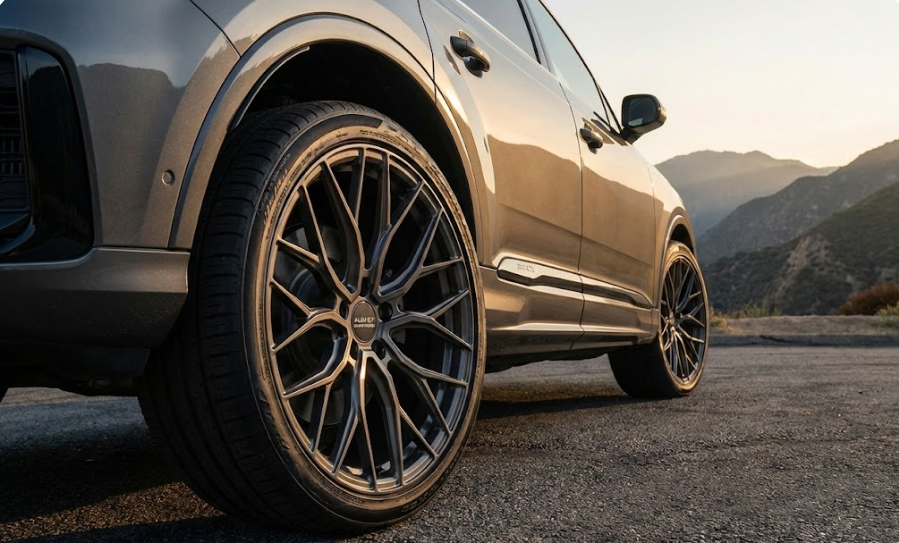
Buyers must remain completely unbiased when evaluating the specific pros and cons of upgrading automotive wheels.
Pros:
- Improved Vehicle Dynamics:Adding a lightweight forged wheel greatly improves rapid acceleration and emergency braking distances.
- Aesthetic Dominance:Overall vehicle presence changes from standard to incredibly aggressive when owners add Audi Q7 wheels 22 options.
- Wider Contact Patch:Upgrading to 10-inch width tires increases cornering grip and overall road traction significantly.
- Brake Clearance:Aftermarket big brake kits feature custom spoke architectures that provide massive caliper clearing capabilities.
Cons:
- Degraded Ride Quality:Installing larger diameter rims requires mounting much lower-profile rubber tires. With less sidewall rubber available, less material exists to absorb impacts, which makes for a stiffer ride.
- More Rotational Mass:Buying cheap oversized cast wheels means that extra weight will make your car lose fuel economy. Furthermore, extra rotational mass will make your steering feel sluggish and negatively affect your rapid steering response.
- More Susceptibility to Damage:Low-profile tires remain more prone to road damage because rubber side profiles do not absorb sharp impacts effectively. Consequently, deep potholes can completely bend or crack your expensive Audi Q7 wheels.

The aftermarket rim selection process can feel overwhelming, but being extremely meticulous will ensure both safety and proper fitment. Finding Audi Q7 wheels for sale demands patience and extensive research.
· Step-by-step
- Determine Chassis Generation:Do you currently own a 4L platform or a newer 4M platform chassis?
- Determine your Objective:Decide whether you want to do a cosmetic enhancement, reduce unsprung weight, or have a specific set for winter driving.
- Decide on Wheel Size:Replacement rims generally come in 19-inch to 22-inch diameters and 8.5-inch to 10.5-inch widths. Many buyers search for 2017 Audi Q7 wheels specifically to replace damaged factory units.
- Ensure Offset Won’t Hit:Make absolutely sure your chosen offset will not hit the outer fender lip or the inner suspension strut. Furthermore, always use a digital fitment calculator to get highly accurate spatial measurements.
- Ensure Wheel Spokes Will Fit:Measure exactly how far your brake calipers stick out before making a purchase. Ensure that the wheel spokes feature enough recessed space to fit nicely over your large calipers.
- Choosing the Right Equipment:Standard factory rims utilize R14 ball-seat lug bolts for secure mounting. A good number of aftermarket rims need 60-degree conical-seat lug bolts instead. Mixing different lug seat types remains a massive safety violation.
· Decision Process
Do you constantly drive on rough, pothole-infested city roads during your daily commute? If the answer is yes, you should keep your maximum wheel size to Audi Q7 wheels 20 inch options. Consequently, staying at twenty inches gives you a much thicker tire sidewall for protection. For the absolute best tire protection, go with a flow-formed or fully forged option.
Do you want to build a flashy show vehicle with lowered air suspension? If yes, you can confidently go to 22-inch or 23-inch diameters with custom aggressive offsets. To get the best fitment from the fender to the outer lip, go with a fully custom multi-piece forged wheel.
Need a dedicated winter driving wheel setup for snowy conditions? If the answer is yes, you should definitely get a 19-inch gravity cast wheel. Smaller rims cut through deep snow better, and cast wheels remain relatively easy to replace if you hit something icy and break the metal.
· Scenario Recommendations
- The Daily Commuter:Drivers should go with a sturdy 20×9.0 flow-formed wheel setup. Consequently, flow-formed construction gives you a good combination of visual upgrades, lower weight, and a good amount of tire sidewall to give you a pleasant commute. Older 2015 Audi Q7 wheels often need replacing due to basic wear and tear.
- The Performance Driver:Enthusiasts should upgrade to a 21×10.0 fully forged monoblock wheel immediately. Therefore, Audi Q7 wheels 21 choices will provide huge weight savings and will allow the vehicle to handle much better while fitting sticky high-performance summer tires with total ease. Drivers love SQ7 wheels for their aggressive sporty appearance.
- The VIP Aesthetic:Choose a massive 22×10.5 deep concave rim design for maximum street credit. Furthermore, the oversized footprint visually grounds the large SUV, forcing an indistinguishable exotic presence everywhere you go. Sleek Audi Q7 black rims look especially stunning in this large size.
Red Flags / What Not To Do?
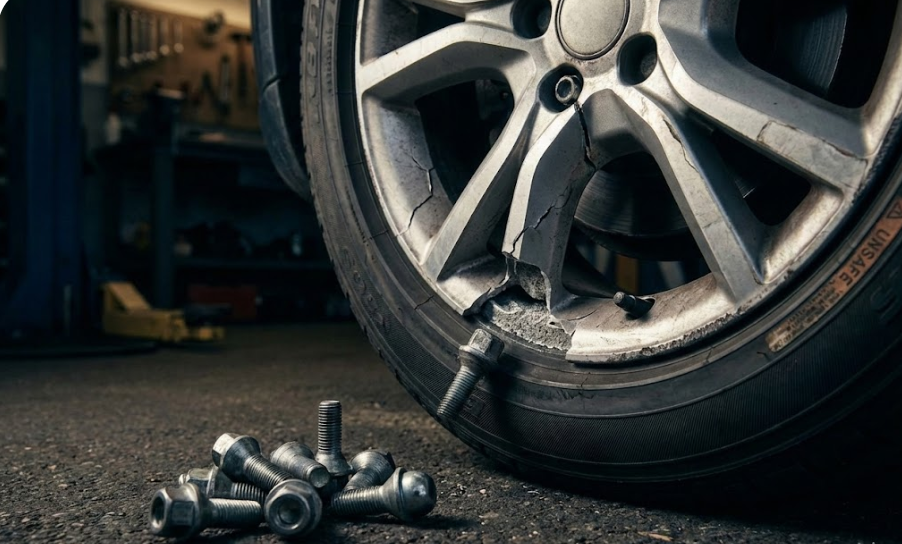
While looking through the countless options available online, dozens of traps exist that can easily snag a buyer who doesn’t know what they are doing. Always remain on high alert regarding the specific mechanical specifications.
- Claims of ‘Universal Fit’:Shady sellers advertise certain rims as ‘Universal Fit’ due to multi-drilled bolt patterns, which compromises the structural integrity of the mounting hub on the wheel completely.
- Load Rating Neglect:A rim designed primarily for a light passenger sedan should NEVER be used on a heavy premium sport utility vehicle. When a rim becomes severely overloaded, micro fractures form within the aluminum structure, and that weakness can cause serious problems at highway speeds.
- Incompatible Hardware:A conical lug bolt is designed specifically to screw into a ball-seat wheel hole. If mechanics force improper bolts, then the mounting holes will be ruined completely. Consequently, ruined mounting holes will cause the wheel to detach from the car while driving.
- Fake OEM Replicas:The internet contains lots of counterfeit OEM replicas that do NOT have the essential JWL, VIA, or TUV safety certifications. Furthermore, the cheap metals used to make those fake rims are of such poor quality that they shatter from a moderate street impact.
Price & Market Insights!
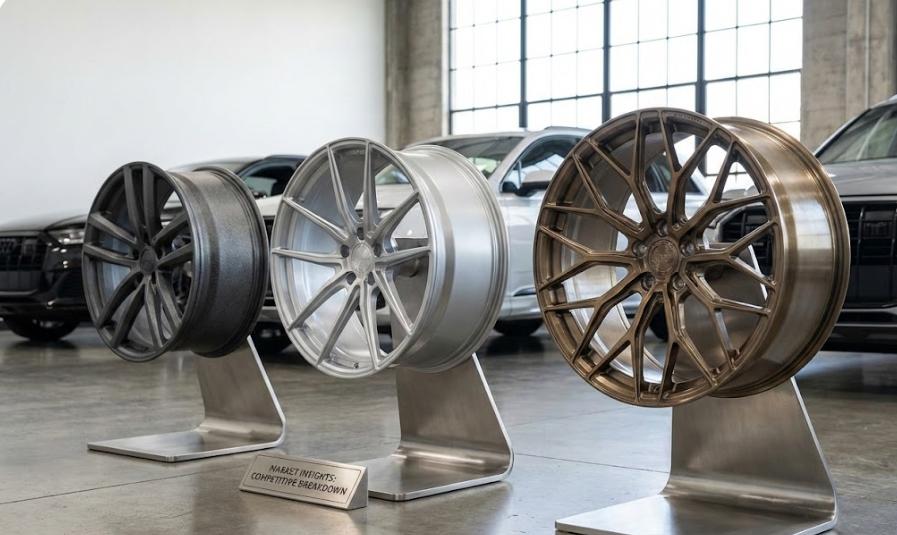
Knowing the complex economic landscape of aftermarket Audi Q7 wheels will help you appreciate your expensive automotive investment fully.
– Competitive & Top Seller Breakdown
Different pricing tiers currently exist that the global market determines based strictly on the specific level of manufacturing difficulty.
- Cast Wheels Entry Level ($200 – $400 each):Most manufacturing players in this specific price range build gravity-cast wheels. Options in this entry category remain cheaper but also considerably heavier. Therefore, entry-level cast rims serve perfectly as great winter sets or inexpensive visual upgrades.
- Mid-Tier Flow-Formed Wheels ($400 – $800 each):Mid-tier pricing usually represents the perfect sweet spot for the vast majority of automotive clientele. Thanks to advanced Flow-Form technology, buyers can obtain near-forged levels of strength at a fraction of the fully forged price.
- Premium Forged Wheels ($1,000 – $3,000+ each):Aerospace-grade aluminum blocks, custom CNC milling machines, and endless finishing options define the premium forged category. Consequently, wealthy buyers pay a lot of money for ultimate mechanical perfection in terms of low weight and high structural efficiency.
– Customer Feedback Synthesis
Overall customer data analysis shows extremely great consistency amongst luxury sport utility vehicle owners. High satisfaction and the total lack of harshness problems for most buyers relate directly to the precise calculation of their offset and use of the correct hub-centric rings. The most negative customer feedback always points back to buyers who did not purchase new compatible lug bolts or did not consider the heavy weight load rating of their vehicle, leading to inner barrel cracking and serious steering wheel shimmy.
Sourcing & Supplier Tips!
Choosing the absolute right vendor for your Audi Q7 wheels remains just as critical as getting the exact right wheel specification. The absolute best suppliers are those who possess strong technical skills and provide excellent customer support after the initial sale.
1. Demand Technical Verification
Only work directly with trustworthy suppliers that do a thorough technical breakdown based on your specific year, make, and brake package before shipping anything.
2. Seek Clarity
Look carefully for clearer company disclosures on the specific manufacturing process, wheel inscribed weight figures, and the maximum load ratings stamped on the inner barrel of the wheel.
3. Inclusion of Hardware
Premium automotive suppliers will always include the right hub-centric rings, appropriate conical or ball-seat lug bolts, and tire pressure sensors that are fully compatible.
4. Warranty Policies
Always invest your hard-earned money in Audi Q7 wheels that carry a lifetime structural warranty and a multi-year warranty that protects against the protective clear coat failing or peeling.
Maintenance, Safety & Legal Considerations!
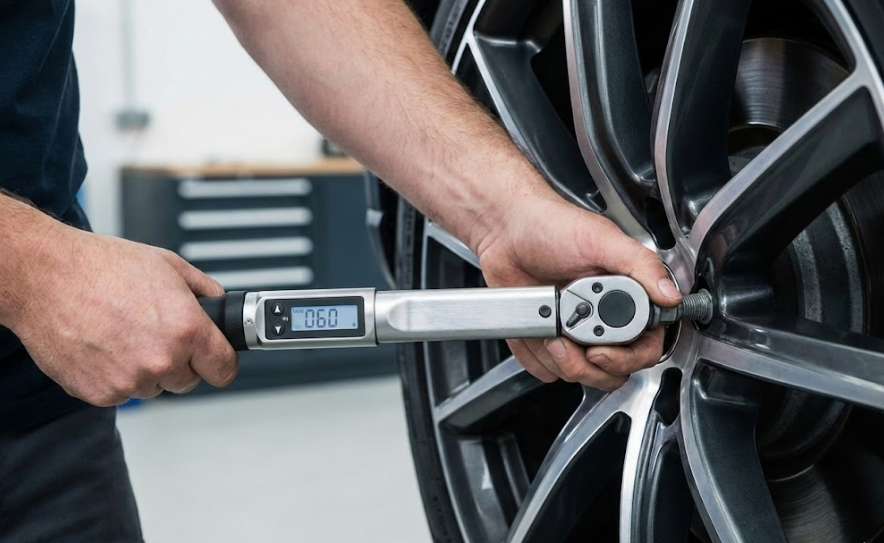
Care passionately for your expensive automotive investment long after the initial physical installation finishes.
· Proper Torque Specifications
Engineers designed the heavy vehicle chassis in such a specific way that a very high clamping force remains completely required. Mechanics must manually torque all lug bolts to 160 Nm using a freshly calibrated torque wrench. Furthermore, mechanics should never rely on an automotive impact gun for final tightening.
· Managing Brake Dust
German automotive brake pads consistently produce very dark and abrasive brake dust. Use a high-quality pH-neutral iron-decontaminating cleaner and thoroughly wash your expensive Audi Q7 wheels weekly. Do not use extremely high acidity chemical cleaners on your polished finishes and protective clear coats.
· Ceramic Coating
Before actual vehicle installation, owners should apply a premium 9H ceramic coating layer. Consequently, that protective coating creates a slick hydrophobic seal over the aluminum’s pores, allowing for incredibly easy rinsing of the stubborn brake dust.
· Suspension Alignment
Significant mechanical changes to the overall wheel width and spatial offset are going to affect your suspension geometry. To effectively prevent premature and highly uneven tire wear, owners must do a full 4-wheel laser alignment right after the new installation.
· Legal Protrusion Laws
Before performing the final installation, always check your specific local rules for illegal wheel poke. In some strict locations, to pass a basic road safety inspection, the metal fender arch must fully cover the rubber tire tread when viewed vertically.
Conclusion
To get the absolute best driving performance possible, keeping focus on proper wheel fitment remains highly recommended today. The right Audi Q7 wheels will ultimately make your luxury vehicle perform better and keep your family much safer. Go to RizoForged right now to check out our wide selection of high-quality rims for better daily drives.
 EN
EN  ES
ES  PL
PL  JA
JA  IT
IT